Latest Updates
-

Brindabella Views Or Billboards? You Choose.
You know what Canberra, our beautiful bush capital, needs? More billboard advertising! Said nobody, ever… … Except Andrew Barr, in a brief thought bubble early this year. Unfortunately, our Chief Minister sent the idea off to a Legislative Committee inquiry and, unless a large number of Canberrans write in urgently to say it’s the last…
-

Macdonald Is The Tip Of The Coal Corruption Iceberg
It’s remarkable how often corruption in Australian politics is linked to coal. The jailing of former NSW Resources Minister, Ian Macdonald, last week is the tip of the iceberg. It’s just the most recent in a line of explicit and proven corruption directly linked to the coal industry. But the corruption goes far deeper than…
-
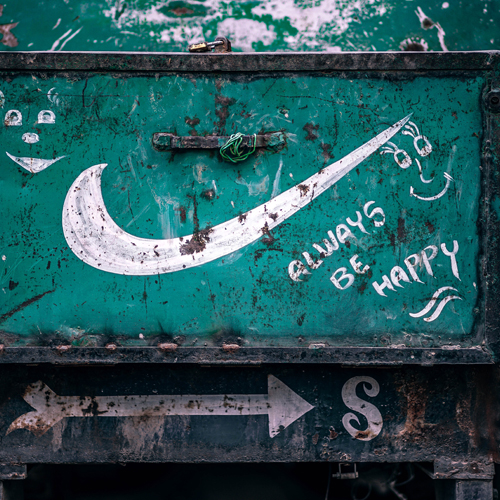
Advertising and the budget: the $5 billion tax break that makes us unhappy
This was first published at Independent Australia. They say, with Budgets, the devil is in the detail, and it takes weeks to find. But there’s one huge tax break which we won’t find as we’re poring over the papers – because it isn’t mentioned. The long-standing but completely ignored 100% tax break for expenditure on…
-
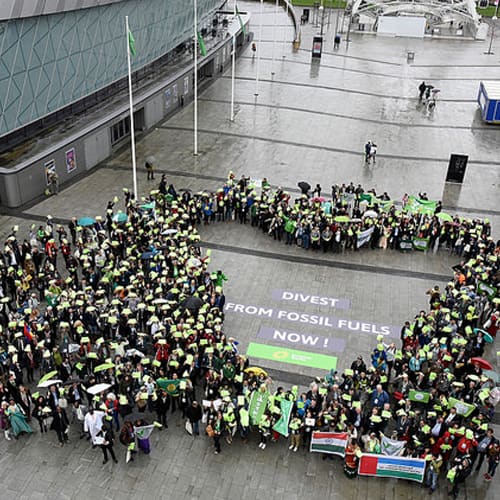
Thoughts On Returning Home From Global Greens 2017 / Wot i did on my holidayz
The 2017 Global Greens Congress in Liverpool was inspiring and energising from start to finish, with discussions of big ideas, opportunities to link up with people from all over the world, and sharing of skills and experiences in every direction. What I brought home from the Congress, above all, was a feeling of how extraordinarily…
-
A Budget For Last Century…
Last night’s Budget has been received by many as a typically Labor Budget. And, to be frank, that’s about right. Publicly framed as fair while hiding tax cuts for big corporations and nasty punitive measures for vulnerable people, it’s a Budget that suits a party still emerging from the 19th century, paying no heed to…
-
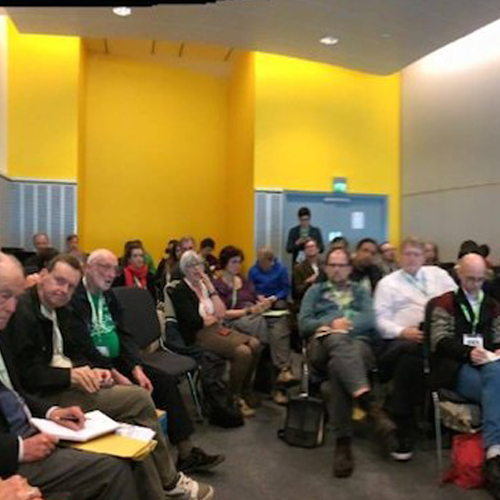
Report from Universal Basic Income session at Global Greens Congress, Liverpool, England
I chaired a tremendously exciting and invigorating session on Universal Basic Income at the Global Greens Congress yesterday, with panellists Barb Jacobson, Chair of Basic Income Europe, June Cho from the Green Transformation Institute of Korea, and Swedish MP and government minister, Janine Alm Ericsson. Around 100 people from Europe, the Americas and Asia gathered to…
-
Fairness To Fascism: Trump’s Bait And Switch
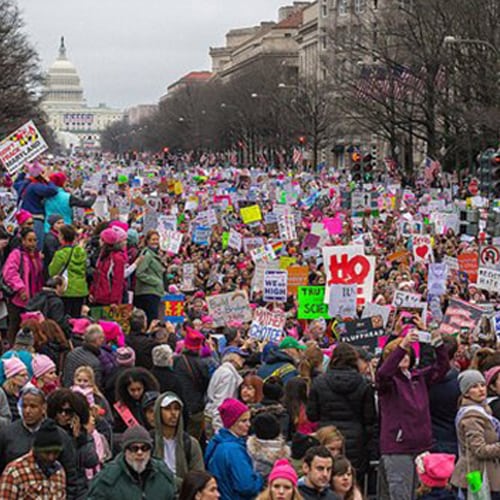
Thoughts following Donald Trump’s inauguration speech. “Forgotten men and women”. “Struggling families”. “Mothers and children trapped in poverty”, not “sharing the wealth” of “the establishment”. On one reading, Donald Trump’s inauguration speech is full of left wing imagery and ideas. So much so that some left wing people, on Facebook at least, have suggested that…
-
Got Time For A Chat About The Future?
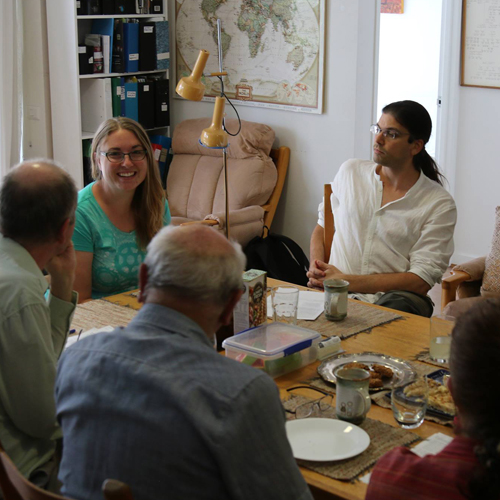
I hope you had a good rest over the holiday period and, like me, are ready to leap into 2017 with renewed energy. One of the reasons I’m feeling excited and energetic is because, as well as just not working for a while, I had some fantastic conversations with people over the break, about all…
-
Centrelink’s Automated Debacle Shows We Need To Rethink Welfare And Work
This was first published in the Canberra Times There is a dark irony in the fact that many of those who have been hit by Centrelink’s automated debt recovery debacle are on benefits in the first place because automation is dramatically changing the face of work, making it harder for many people to find secure,…
-
What now?
Breathe in. Breathe out. Repeat. Reams are already being written on what the election of Donald Trump means. We don’t intend to add to those reams with yet another hot take. But this extraordinary moment demands that we ask – what now? The Green Institute has set our goal as “changing what is possible”. For…
